repair
HVAC Repair Help and Local Quote Prep
Start with the system type, age, symptom, timing, and whether the home is losing heating or cooling now.
What to mention
- Separate no-cool, no-heat, airflow, thermostat, breaker, leak, noise, and short-cycle symptoms before calling.
- Mention system age, brand, outdoor-unit access, attic or crawlspace access, and whether prior service was attempted.
- Ask about diagnostic fees, repair versus replacement options, and earliest availability in your area.
Best-fit call intent
HVAC repair guidance for homeowners comparing local help for heating, cooling, airflow, thermostat, and system-age issues.
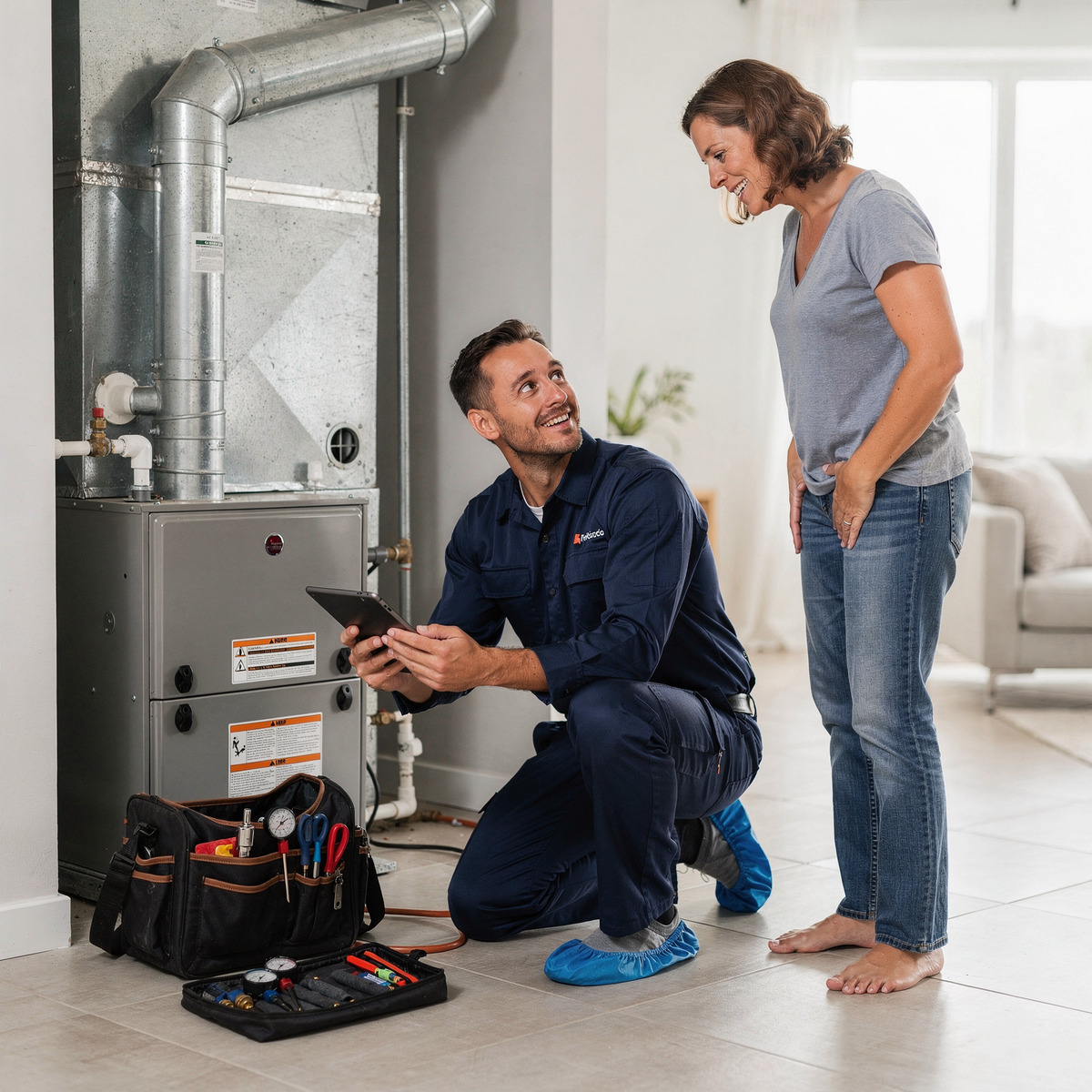
Before calling
HVAC repair call prep
- System type and age
- Current temperature issue
- Thermostat behavior
- Breaker or water symptoms
- Access constraints
When this page fits
- Call for repair when the system is still a reasonable age and one clear symptom needs diagnosis.
- Ask about replacement if the system is older, has repeated failures, or the repair quote is large.
- Use symptom pages to describe what is happening before naming a failed part.
Questions to ask
- What does the diagnostic fee include, and can it apply to the repair?
- Can the visit cover repair diagnosis and replacement options if needed?
- What access, photos, or system details should be ready before arrival?
Common questions
HVAC repair questions homeowners ask
What is the difference between HVAC repair and HVAC service?
HVAC repair fixes a specific failure such as no cooling, no heat, or a thermostat fault. HVAC service or a tune-up is scheduled maintenance. Telling the provider which one you want keeps the quote accurate and avoids an unneeded trip.
How do I get matched with local HVAC repair?
We match your request to local HVAC providers by ZIP code. Have the system type, its age, and the main symptom ready so a nearby provider can confirm coverage and give a first-visit window.
What should I separate before calling for HVAC repair?
Sort the problem into no-cool, no-heat, airflow, thermostat, electrical, leak, or noise before naming a failed part. That symptom separation lets the provider bring the right parts and reduces repeat visits.
Related pages